River technology
Interceptor
Interceptor
How it works
Our research shows that 80% of plastic stems from 1000 rivers
Most plastic in the ocean originates from rivers. Our research found that 80% of plastic stems from 1000 rivers. Plastic enters the rivers mostly due to poor waste management.
We aim to intercept plastic in 1000 rivers in 5 years time
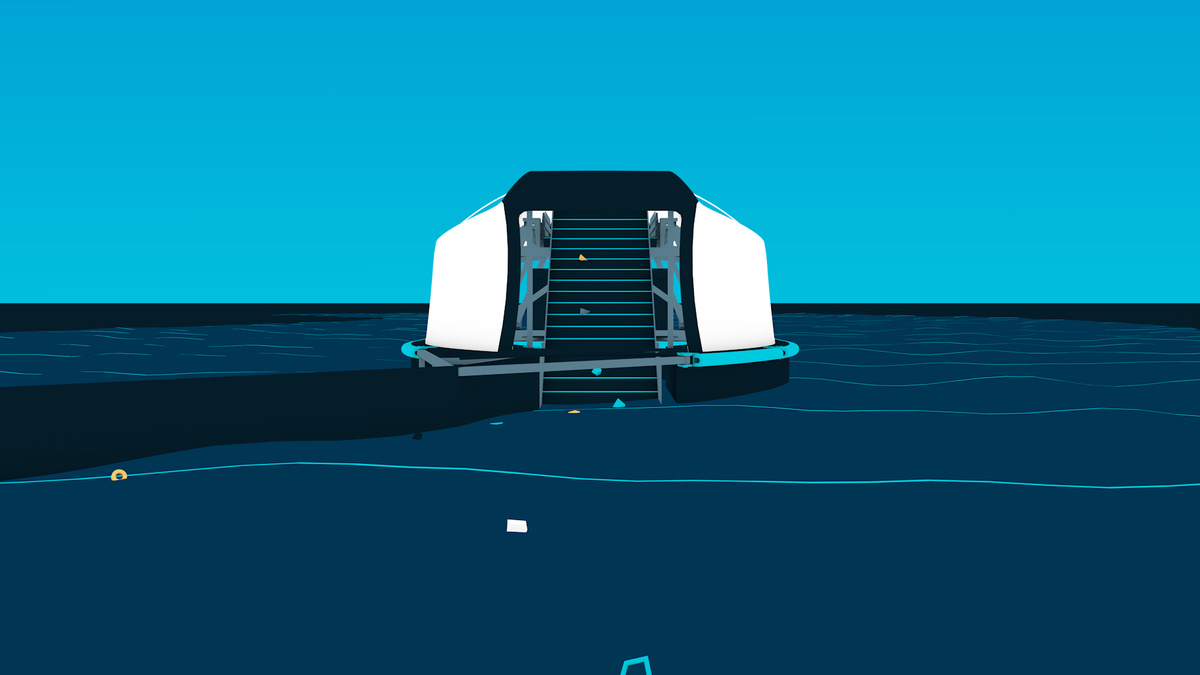
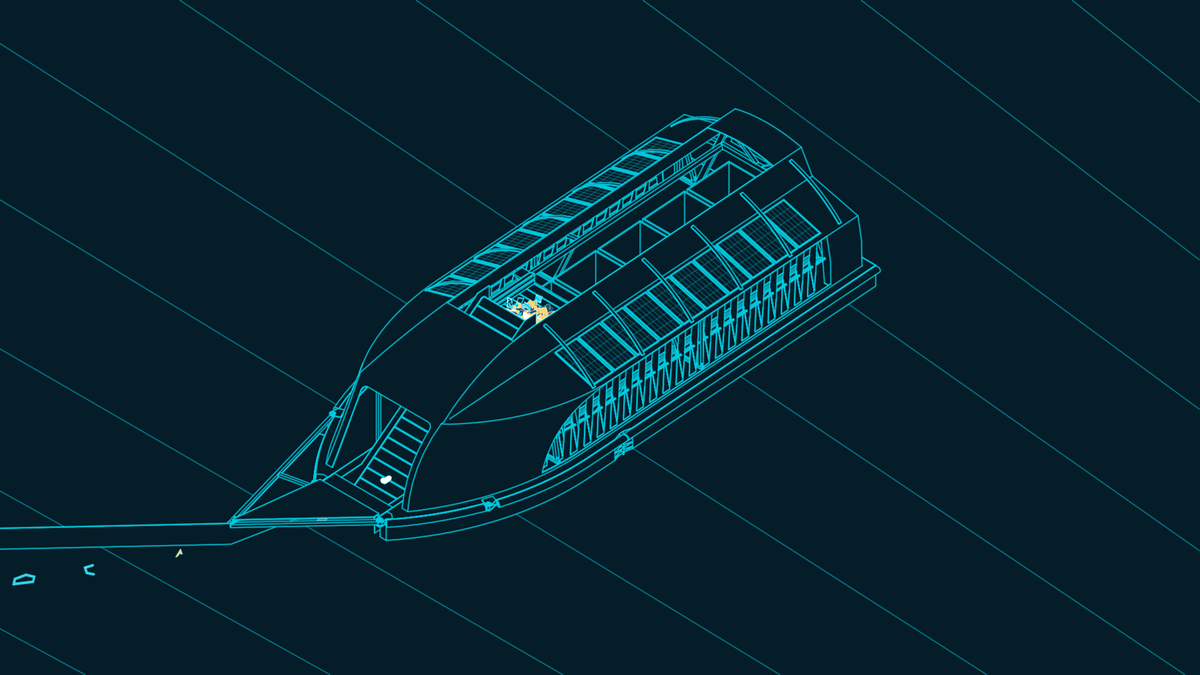
To rid the oceans of plastic we need to not only clean up what is already out there, but also stop new plastic from entering the ocean. We need to close the tap. Most plastic in the ocean originates from rivers. We work together with government leaders and private corporations to launch interceptors into 1000 rivers all around the world in 5 years.
Our end-to-end
river process
-

City Assessments
- Meet with stakeholders to understand local contexts
- Begin administrative processes around permits
- Start collecting river data using the Smart River Survey
-

Research
- Interview community to gather information on impact of river pollution
- Secure funding, implementation partners, and local support
- Use the Smart River Survey report to identify deployment sites
-

Deployment
- With local stakeholders, select most impactful deployment sites
- Design Interceptor solution tailor-made for river conditions and waste type
- Deploy Interceptor
-

Operations
- Work with local waste management operators to process catch responsibly
- Recover and recycle as much of intercepted materials as possible
- Start monitoring performance and impact
-

Coastal sweeps
- Map legacy plastic hotspots in coastal areas
- Support local partners to remove legacy trash from coast
- Carry out coastal sweep with community to remove last traces of pollution
-

Clean oceans
Enjoy clean oceans!


Test
test